
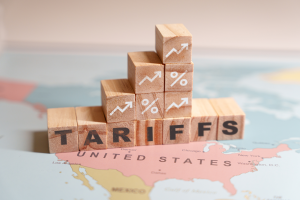
After the earthquake, come the aftershocks. Paul Fisher examines the impact of US tariffs on our sector – and what is being done about it.
After the seismic shock of “freedom day”, when the US imposed tariffs of up to 104% on foreign imports (later rising to 127% for China), impacting stock markets across the world, the US administration rowed back on the highest tariffs. Whether driven by ideology or ego, the uncertainty continues with President Trump yesterday hinting he would charge tariffs on pharmaceutical medicines – previously exempt.
At the time of writing, all UK sales into the US will incur a 10% surcharge. Steel and aluminium, along with cars, attract a further tariff. EU sales into the US were briefly tariffed at 20%, before dropping to 10%. In return, the EU imposed and then paused a 25% tariff on £18bn of US imports. The UK government has taken a more conciliatory approach and has yet to announce reciprocal tariffs – but is scoping areas where they could be imposed.
BIVDA’s position on tariffs is simple and clear. Medicines, medical technology, and diagnostics save and improve lives. They should not attract tariffs either from the US or in retaliation – the “zero-zero” approach. The EU consulted on this position in March, and BIVDA worked with colleagues in MedTech Europe to inform and advocate for this approach. We remain in close contact with MTE.
In the UK, the Department of Business and Trade are consulting on similar measures. From the extensive list, there are no direct IVD products – but areas such as laboratory sterilisers may have an indirect impact on health. We urge members to review this list and provide any feedback to BIVDA, ahead of the 1st May deadline.
We are also working closely with DBT to set out the impact on business of the US tariffs and to advocate for the zero-zero approach. We have a direct conduit to the DBT Permanent Secretary, who is briefed weekly. Again, please provide your views to us and we will ensure they are escalated.
This is undeniably an uncertain and challenging time for business. However, IVD’s are in a relatively strong position and are clearly an area of key focus for government. BIVDA will continue to represent the sector’s interests nationally and internationally. As always, if you have any specific issues don’t hesitate to speak to one of the team.
You can find the latest UK government updates, as well as useful links, here.
