
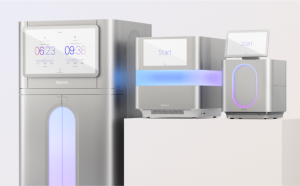
In a UK-first, the Medicines and Healthcare products Regulatory Agency (MHRA) and Barts Health NHS Trust have developed a DNA sequencing approach that can be implemented onsite in hospitals so they can diagnose bacterial infections faster and more accurately.
This service will help doctors deliver better-targeted treatments earlier. For patients, this means a quicker recovery, fewer complications such as sepsis, and a reduced risk of spreading infections to others.
This technology is now being piloted to investigate and prevent hospital outbreaks caused by antibiotic-resistant ‘superbugs’ — a growing global threat.
The new approach, published today (6 March) in Frontiers in Cellular and Infection Microbiology, confirms that the DNA sequencing method can reliably detect which bacteria are causing an infection and which antibiotics will work best to treat it. The approach delivers results within two days, significantly faster than traditional methods which can take approximately seven days and, in some difficult cases, up to eight weeks.
Since September 2024, over 2000 patient samples have been analysed using the approach across seven London hospitals, including the Royal London, Whipps Cross, Newham, St Bartholomew’s, Homerton, Lewisham, and Greenwich.
The goal is to make rapid DNA sequencing a routine part of hospital diagnostics across the NHS, bringing faster, more accurate infection testing to patients nationwide.
Read more here.
