
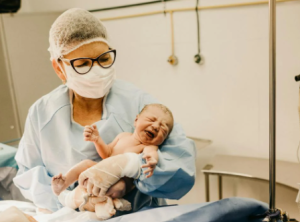
Newborn babies will now be routinely screened and treated earlier on the NHS for a rare, life-threatening metabolic disorder, which can result in the need for a liver transplant.
Hereditary Tyrosinaemia Type 1 (HT1) is a rare, genetically inherited disorder that affects around 7 babies per year in the UK. Left untreated, it can lead to severe complications such as organ damage and liver failure.
This condition will now be screened for, in the blood test that babies get on the fifth day after they are born, taken from the heel.
The test will help to identify and treat babies before symptoms appear, meaning they can get life-saving daily drug treatment sooner and be placed on a restricted diet to make them less likely to face long-term health problems in later life.
HT1 affects the way in which the body breaks down protein in food. Protein is usually broken down into amino acids by enzymes. In people affected by HT1, there is a mutation to the gene that controls the enzyme which breaks down an amino acid called tyrosine.
When the body is unable to break down tyrosine, a harmful chemical builds up in the blood; and left untreated, the disorder can cause liver failure, kidney disease and can lead to liver cancer.
The NHS has added HT1 to the NHS Newborn Blood Spot Screening Programme in England, following a recommendation by the UK National Screening Committee.
Once identified by screening, babies can be placed on a medication called Nitisinone and a special diet of regulated amounts of normal milk feed (breast or formula milk) with a special milk that is low in tyrosine. Older children with HT1 have a special low-tyrosine diet that will be managed by specialist dietitians.
The combination of Nitisinone and tyrosine-restricted diet can prevent the long-term complications of HT1 from developing.
