
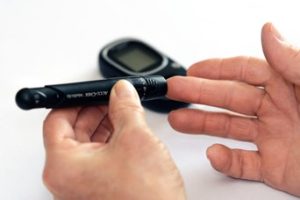
Researchers suggest that all children in the UK could one day be routinely screened for type 1 diabetes using a quick finger-prick blood test, following encouraging results from a large national study.
At present, many children are not diagnosed until they become seriously unwell. This puts them at risk of diabetic ketoacidosis, a dangerous condition that requires emergency hospital care. Detecting the condition earlier could prevent these emergencies and allow doctors to begin managing blood sugar levels before severe symptoms develop.
The recommendation comes from the Early Surveillance for Autoimmune Diabetes (ELSA) study, which has already tested more than 17,000 children aged between three and 13. The research is supported by diabetes charities and focuses on identifying immune markers linked to type 1 diabetes.
Results published in The Lancet Diabetes & Endocrinology show that some children carried antibodies indicating an increased likelihood of developing the condition in the future, while others were already in the early stages of the disease without needing insulin. A small number were found to have type 1 diabetes that had not yet been diagnosed and required immediate treatment.
Family genetics can raise the risk of type 1 diabetes, and environmental factors such as viral infections are also thought to contribute. The next stage of the project, ELSA 2, will extend testing to children aged two to 17, with screening available at home, in schools, or GP practices.
Several countries, including Italy, are already trialling similar programmes. Any UK-wide rollout would ultimately depend on government decisions informed by the National Screening Committee and ongoing research.
