
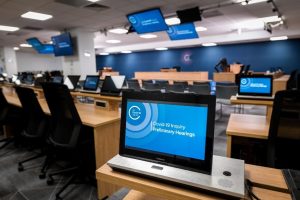
The first module of the COVID-19 Inquiry has identified significant failings in the UK’s pandemic preparedness and makes ten recommendations.
Issues include a flawed approach to risk assessment, the failure to fully learn from past civil emergency exercises and outbreaks of disease, and Ministers not receiving a broad enough range of scientific advice while failing to challenge the advice they did get.
The Inquiry acknowledged the pressure on politicians and others to make tough decisions about how resources should be used. However, it stresses that if the UK had been better prepared, the nation could have avoided some of the significant and long-lasting financial, economic and human costs of the Covid-19 pandemic.
Inquiry Chair Baroness Hallett said: “I have no hesitation in concluding the processes, planning and policy of the civil contingency structures across the UK failed the citizens of all four nations.
“There were serious errors on the part of the state and serious flaws in our emergency systems. This cannot be allowed to happen again.”
The report calls out convoluted decision making and ownership matrixes, and highlights that Public Health England was completely ineffective – leading to its replacement mid-pandemic with the newly-formed UK Health Security Agency.
To address this, the Inquiry calls for the creation of a single, independent statutory body responsible for whole system preparedness and response. It will consult widely, for example with experts in the field of preparedness and resilience and the voluntary, community and social sector, and provide strategic advice to government and make recommendations.
BIVDA welcome the reports findings. We are conscious that many of our members had a bruising experience during the pandemic, when trying to respond to the calls made by the UK government. There is much to do for the government to rebuild trust with the diagnostic industry – who will be a key partner in the next pandemic.
