
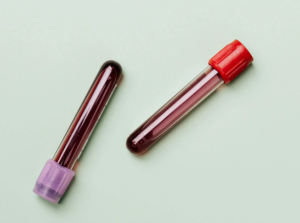
The cutting-edge Galleri blood test, currently under evaluation by the NHS, has shown strong promise during a trial in detecting more than 50 types of cancer in people with no symptoms.
In the US trial known as PATHFINDER 2, involving around 23,161 participants, the test found a “cancer signal” in 216 individuals and cancer was later confirmed in 133 of them, giving a predictive value of 61.6%. The test also correctly identified the likely organ or tissue of origin for the cancer in 92% of those cases.
Importantly, over half (53.5%) of the cancers identified were at an early stage (stage I or II), and nearly 70% at stage I–III, suggesting the potential for more treatable outcomes when diagnoses happen sooner. The false-positive rate was extremely low: 99.6% of those without cancer were correctly identified as such.
Developed by GRAIL, Inc., the Galleri test works by detecting fragments of DNA shed by cancer cells into the bloodstream. This forms a “liquid biopsy” approach that could complement existing cancer-screening programmes.
While the findings have been described as “impressive”, experts emphasise that more data is needed on whether the test ultimately reduces cancer deaths. The NHS trial of Galleri, which aims to clarify its role in UK screening, is due to publish results next year.
If rolled out, the test could transform early-detection efforts, particularly for cancers with no current screening options. However, clinicians have cautioned that it should be used in addition to, not as a replacement for, established screening tests.
