
New research suggests that a simple blood test could help predict how patients with advanced breast cancer will respond to targeted treatments, even before therapy starts. Scientists found that measuring tiny fragments of cancer DNA circulating in the bloodstream may offer early clues about whether a treatment is likely to be effective.
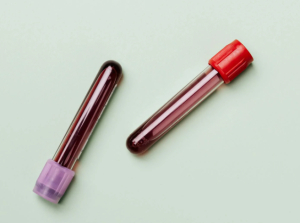
The study was carried out by researchers at The Institute of Cancer Research in London, who analysed blood samples from participants in the plasmaMATCH clinical trial. Using a liquid biopsy, they measured levels of circulating tumour DNA (ctDNA) at the start of treatment and again after four weeks. These results were then compared with how patients responded to therapy and how long their cancer remained under control.
The findings, published in Clinical Cancer Research, showed that patients with lower ctDNA levels at the beginning of treatment generally had better outcomes. In many cases, low or undetectable ctDNA after just one treatment cycle was strongly linked to longer periods before the cancer progressed and higher response rates to therapy.
The trial involved 167 people with advanced breast cancer, who were grouped based on cancer type and genetic mutations. Across different groups, ctDNA levels consistently reflected how well treatments were working.
Researchers say this approach could allow doctors to monitor treatment effectiveness in a non-invasive way and quickly switch patients to alternative therapies if needed. Larger studies are now planned to confirm these results.
