
It will likely not have escaped members’ notice that the last few weeks have been frenzied for health policy watchers in Westminster. Two days in succession, starting with the King’s Speech – which included the announcement of the NHS Modernisation Bill – and the resignation of Health Secretary Wes Streeting 24 hours later, have given us much to ponder.
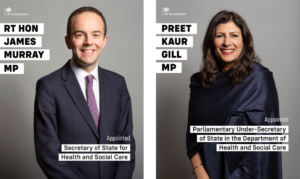
Mr Streeting’s departure led to Starmer loyalist James Murray MP’s promotion to Health Secretary, while the resignation of Health Innovation Minister Zubir Ahmed MP meant a return to Labour’s health team for Preet Kaur Gill MP. Miss Gill had served as a Shadow Health Minister in opposition and was surprisingly ousted once Labour won power.
Mr Murray has been trusted in senior Treasury roles since Labour’s victory and therefore, while he lacks experience in DHSC or in health before entering politics, he will keenly understand the financial pressures and funding gaps in the NHS. As part of his Treasury role, he has focused on the need to reduce wasteful duplication in government spending and increase productivity, and has spoken of the importance of maintaining sufficient levels of capital spending in the NHS.
BIVDA will emphasise the importance of funding diagnostic innovations in order to achieve better patient outcomes, secure earlier diagnoses and reduce pressure on clinicians, as outlined in our welcome letter to the new Secretary of State.
BIVDA accompanied Mr Murray on a visit to BIVDA member Fast MDx Ltd last year, where we discussed the issues faced by SMEs and innovators in gaining access to the NHS.
BIVDA is pleased to see that the NHS Modernisation Bill is one of the Government’s key priorities during this parliamentary session.
The Bill will formally abolish the NHSE and oversee the merger into DHSC, establish a single patient record available on the NHS App (with a narrow rollout in 2028 followed by a wider rollout) and require ‘mayoral nominees’ to sit on ICBs.
Other key components of the Bill are:
- Shifting the Health Services and Investigations Body functions to the CQC and Healthwatch England’s functions to DHSC.
- Introducing a new Patient Experience Directorate in DHSC.
- Establishing ICBs as strategic commissioners for all but the most specialised commissioning functions, including primary care, dentistry, ophthalmology and pharmacy.
- Streamlining the planning process to ensure there are ICBs plans at neighbourhood and strategic level, eliminating the requirement on a local area to have an Integrated Care Partnership.
- Removing the requirement for a Council of Governors at Foundation Trusts, with the intention of giving Trusts more flexibility to design and deliver healthcare around local needs.
- Introducing a statutory duty on the Secretary of State to promote innovation.
BIVDA looks forward to meeting the new Health team to discuss the Bill, introduce them to our sector and emphasise its importance to the health and wealth of the nation, and work together to ensure diagnostic innovations reach patients sooner.
